
Building Backlinks for SEO | Practical Ways to Earn Quality Links

Building backlinks is the process of earning relevant links from other websites to your own, using methods that make sense for your business, your content, and your audience.
Done properly, backlinks can support rankings, trust, and referral traffic. Done badly, they can waste time and pull you towards low-quality tactics that do not help in the long run. In this guide, I’ll keep it practical and focused on methods businesses and marketers can actually use. If you want know more about the wider SEO picture, including content, technical SEO, and off-page work, take a look at my SEO guide for small businesses.
Key Takeways
Backlinks help show that other websites are willing to reference your content, business or expertise. They can support SEO when they come from relevant and trustworthy sources.
A smaller number of useful links from relevant websites is usually more valuable than lots of weak links from unrelated or low-quality sources.
The strongest links usually come from useful content, real relationships, expert contributions, business profiles, resources or mentions that make sense to readers.
Paid link schemes, spammy directories and low-quality guest post sites can create risk. The safest approach is to focus on links that feel natural and useful.
Backlinks can bring authority into the site, but internal links help distribute that value and guide users towards the most important pages.
A sustainable approach is better than chasing quick volume. Earning relevant links over time creates a more natural and useful link profile.
What backlinks are in simple terms
Backlinks are links from other websites to your website. They help search engines discover pages and can also act as a signal of relevance and trust when they come from the right sources.
If you want a fuller explanation, my guide on what are backlinks in SEO covers the basics in more detail.
Start with pages worth linking to
Choose pages that make sense to promote
Not every page on your site is a good target for link building. In most cases, the strongest options are useful service pages, location pages, guides, case studies, or genuinely helpful resources.
If the page is thin, vague, or too sales-heavy, it is much harder to earn links naturally. A good starting point is to ask a simple question: if somebody landed on this page from another website, would it actually help them?
Improve the page before building links to it
Strong backlink work usually starts with improving the page first.
That means making the page clear, useful, and easy to trust. Tighten the copy, improve the structure, add internal links, and make sure the page gives visitors a clear next step. Google’s SEO Starter Guide still reinforces the point that good SEO starts with useful, well-structured pages that are easy for search engines and users to understand.
Link building works better when the page is useful
A strong backlink will usually do more for a page that already has a clear purpose than for one that feels unfinished.
Before moving on to specific methods, make sure the destination page is worth promoting.
Fix broken backlinks pointing to your website
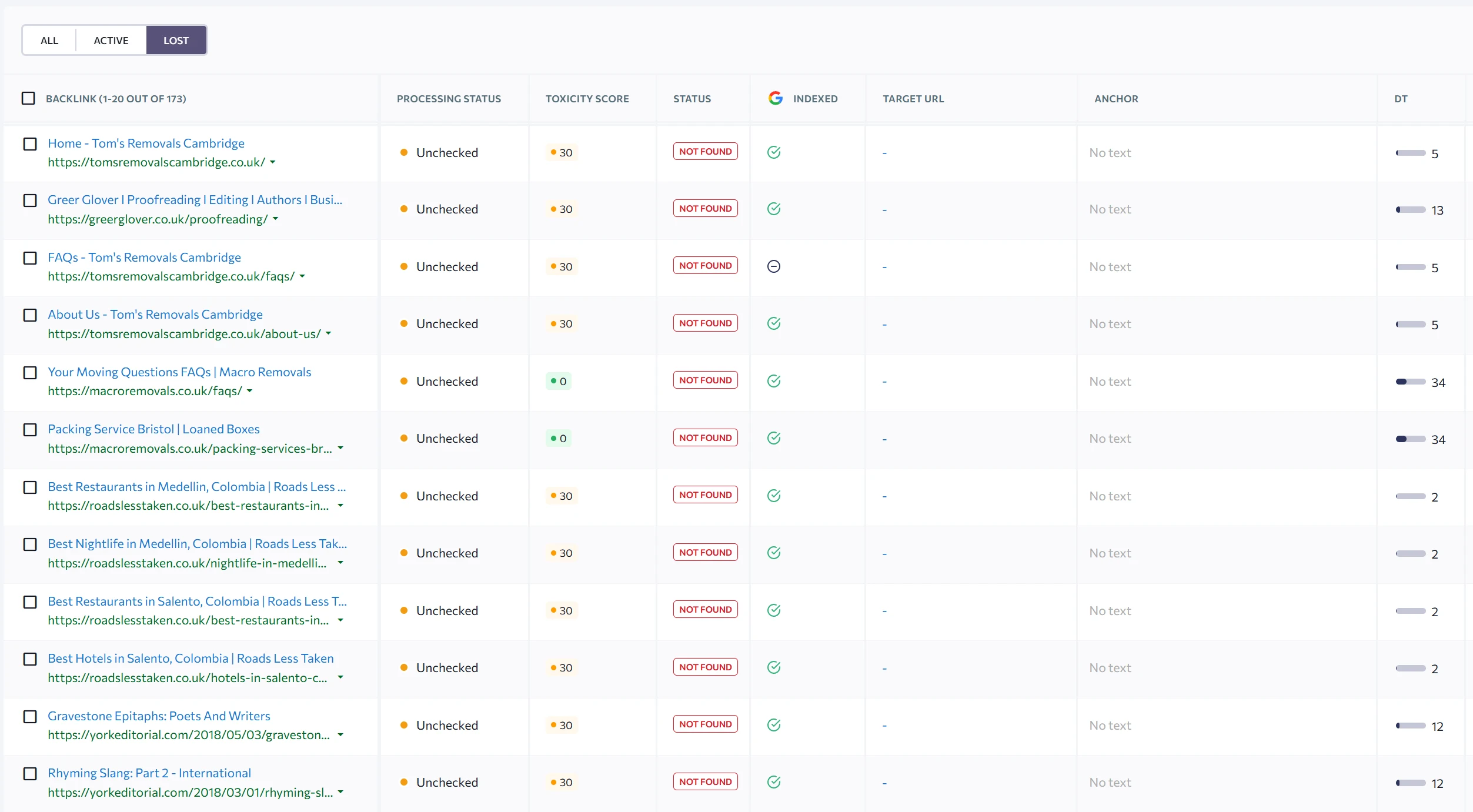
One of the easiest ways to improve your backlink profile is to recover value from links you have already earned.
Find broken backlinks and lost pages
Broken backlinks often appear after redesigns, URL changes, deleted blog posts, or changes to service page slugs. Another site may still be linking to your old page, but if that URL now returns an error, you are losing the benefit of that link.
This is one of the simplest ways of creating backlinks value without needing to win brand-new links. You are not really earning a fresh backlink here. You are repairing the path so an existing link works again.
Use redirects and updates to recover link value
If the old page has a clear replacement, use a 301 redirect. If the page still should exist, restore it or update the URL structure properly.
The aim is not just to “fix an error”. It is to reconnect a live backlink to a relevant destination so both users and search engines reach the page they were meant to reach.
Why this is often the quickest backlink win
Recovering broken backlinks is usually easier than finding new websites to link to you. The relationship already exists. The link is already there. You just need to make sure it points somewhere useful again.
Find backlink gaps through competitors
Competitor research can show you where other businesses in your niche are earning links, and where you may be missing obvious opportunities. This is one of the most practical parts of building backlinks because it helps turn broad ideas into specific targets you can actually review.
Look at who links to similar businesses
Start with competitors that target the same audience, offer similar services, or operate in the same location. You are not trying to copy everything they do. You are trying to understand where relevant links tend to come from in your market.
That might include directories, industry blogs, local publications, associations, podcasts, or resource pages. One of the most practical ways to view competitors backlinks is to pull up their referring domains in your SEO tool and look for patterns you could realistically act on.
Use backlink gap tools to spot opportunities
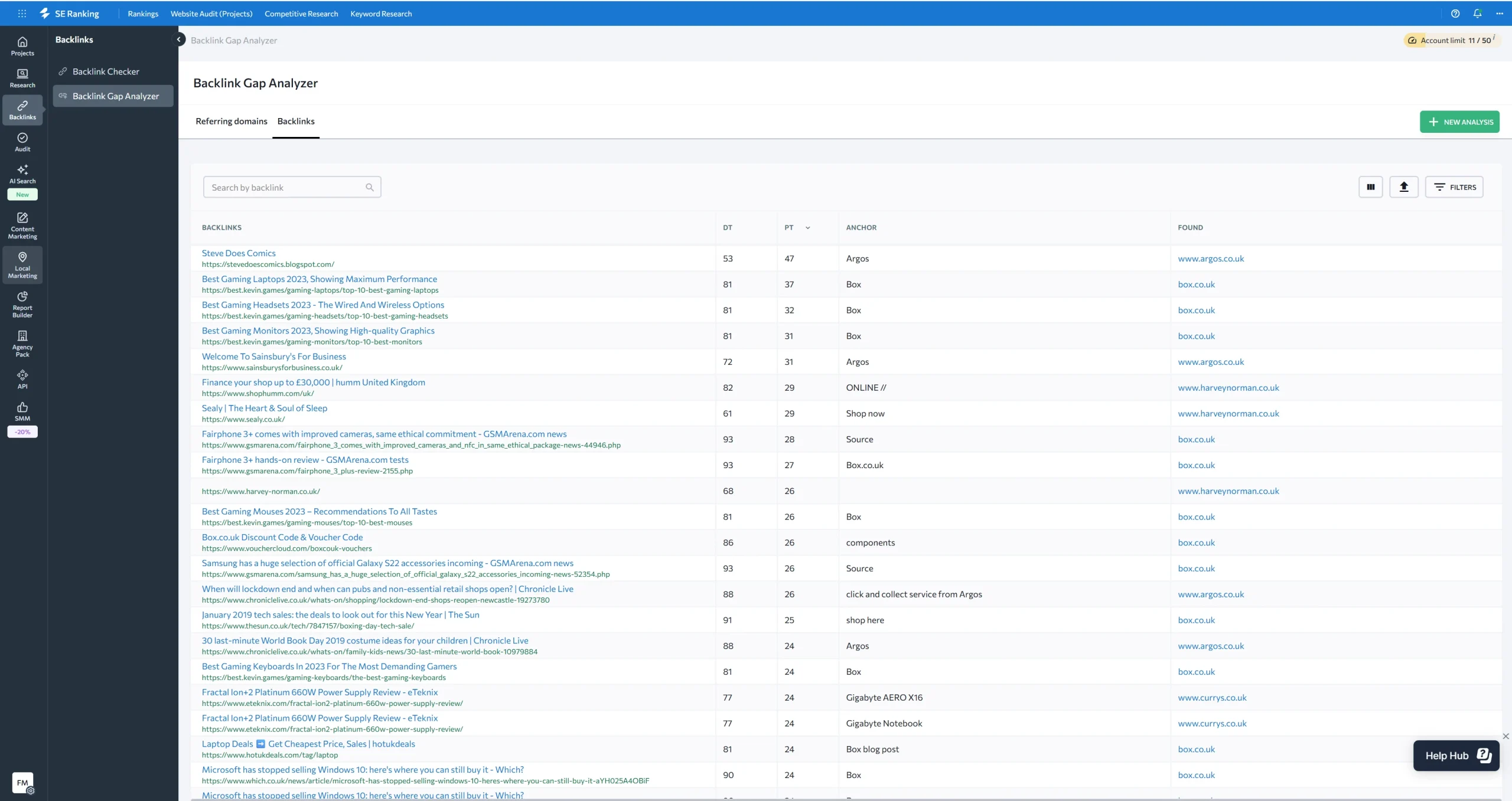
SEO tools such as SE Ranking can compare your website with competitors and highlight websites that link to them but not to you. This is often called a backlink gap.
That sort of report is helpful because it turns vague link building into a more practical task. Instead of wondering how to get backlinks, you can review a list of relevant sites that already link to similar businesses.
If you want to know how to check backlinks of a website, this is one of the easiest ways to do it because the tool lets you review backlink data for your own site and compare it against competitors in one place.
Create something better or more useful
The goal is not to replicate every link your competitors have. It is to create a better reason for those websites to link to you instead.
That could mean publishing a stronger guide, improving a service page, creating a more useful resource, or offering a more relevant angle. Competitor backlink research works best when it helps you spot realistic gaps, not when it turns into blind copying.
Build backlinks through business relationships
Some of the most natural links come from relationships you already have.
Suppliers, partners, and collaborators
Think about the businesses you already work with. Suppliers, strategic partners, collaborators, venues, agencies, and stockists can all create link opportunities if the relationship makes sense to show publicly.
This is often overlooked in building backlinks because the link does not feel “SEO-focused”, but that is exactly why it can work well. It is grounded in a real business connection.
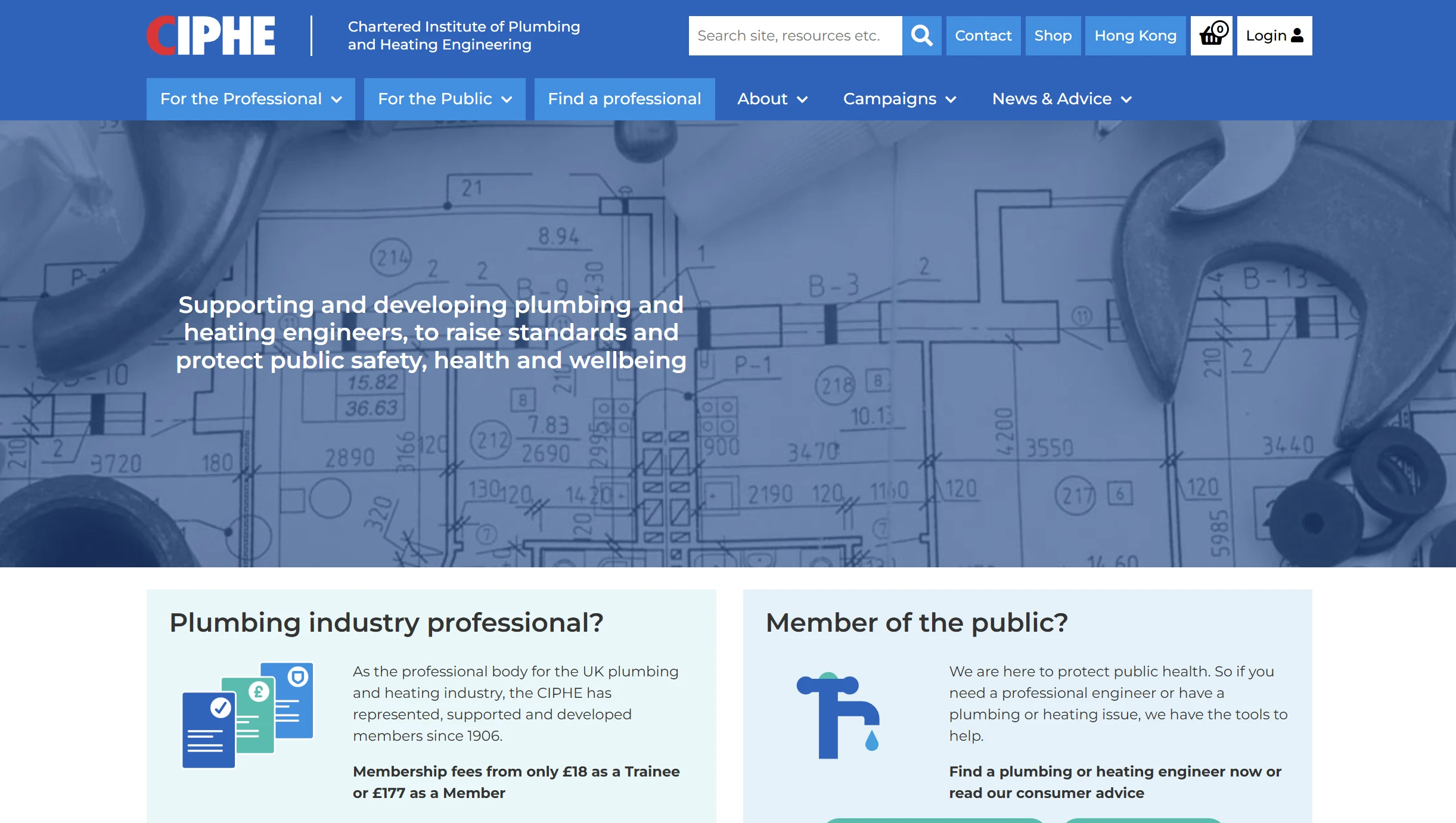
Trade bodies, memberships, and associations
Professional memberships, business groups, local chambers, and trade bodies often have member directories or profile pages. If those listings are relevant and trustworthy, they can be a useful part of backlinking for SEO.
For UK businesses, this can be especially useful when the listing helps with both visibility and trust, not just links.
Why relationship-based links often feel the most natural
Relationship-based links tend to make sense for users as well as search engines. They usually sit in the right context, on relevant sites, and alongside real information about your business.
That makes them a healthier long-term option than forcing links onto unrelated websites.
Use industry resource pages to earn relevant backlinks
Resource pages are still a useful way to earn links when the page you are promoting genuinely deserves to be included.
What is an industry resource page?
A resource page usually brings together useful tools, suppliers, educational guides, websites, or recommended services around a particular topic.
You will often find them on industry blogs, association websites, local organisations, educational sites, or curated business directories.
How to find relevant resource pages
Search for pages in your niche or local area that already link out to useful websites. You might find “recommended suppliers”, “useful resources”, “helpful tools”, or “industry guides” pages.
The key is relevance. A smaller, focused resource page in your niche is often more useful than a random page on a bigger site.
Why your page needs to deserve inclusion
A weak page is unlikely to earn a spot on a good resource page. A strong guide, helpful checklist, useful location page, or solid service explainer has a much better chance.
This is another reminder that link building usually works best when the destination page is already useful.
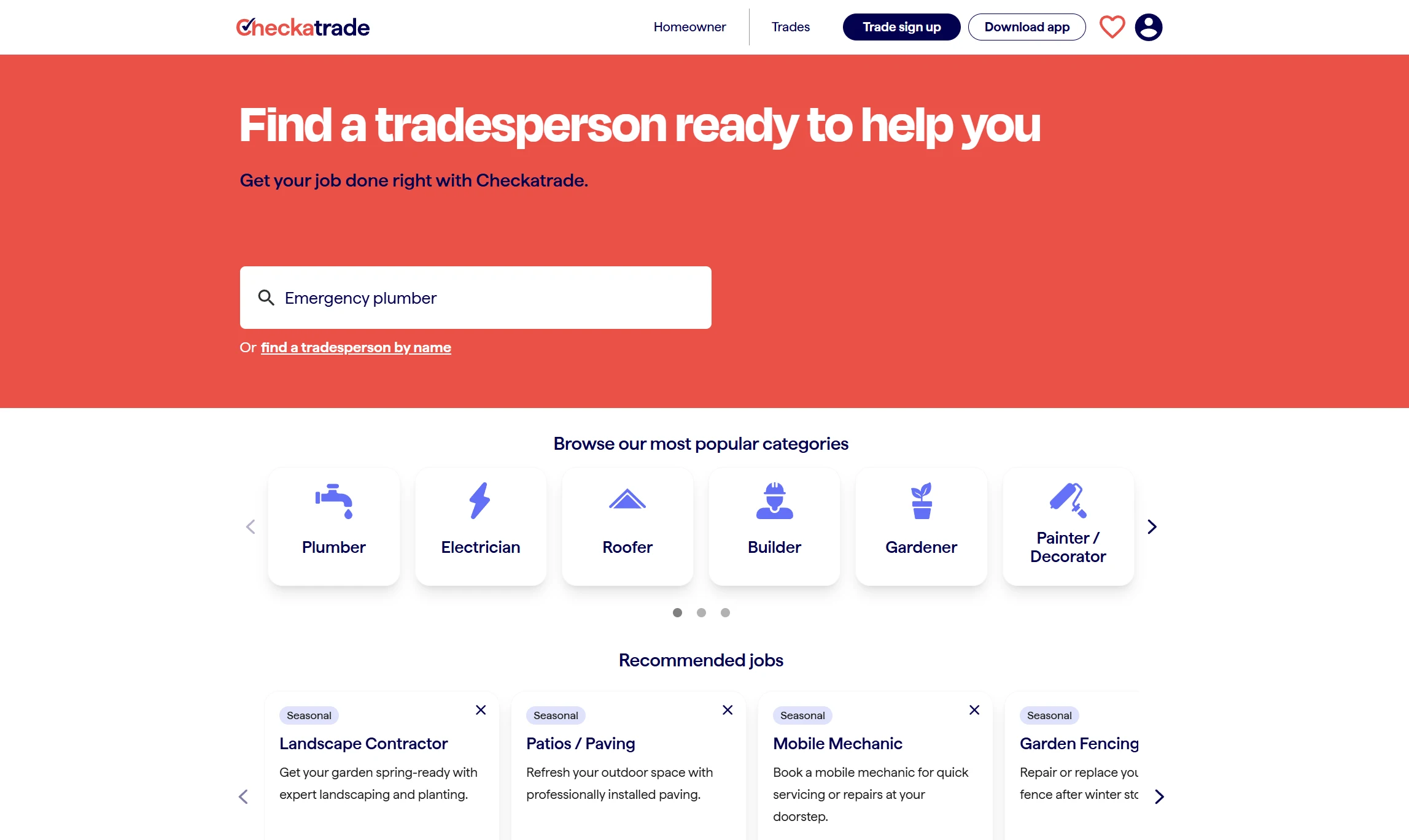
Respond to media requests and journalist opportunities
Media request platforms and journalist outreach opportunities can lead to some of the strongest backlinks because they are often editorial and relevant.
What media requests are
Journalists, writers, and editors often need expert quotes, industry insight, or fast commentary. Sometimes they request this openly through source-request platforms, and sometimes through direct outreach.
This is the kind of opportunity people often associate with HARO-style requests, even though the exact platforms and tools change over time.
Why this can lead to strong backlinks
If your quote or insight is used in an article, you may earn a backlink from a publication, industry site, or news outlet. These links can carry strong authority and can also send direct referral traffic.
They are also editorial in nature, which usually makes them more valuable than links placed just for SEO purposes.
How to improve your chances of being featured
Respond quickly, stay relevant, and make your input easy to use. Journalists do not want a long sales pitch. They want a clear answer, a useful quote, and a source that sounds credible.
The easier you make their job, the more likely you are to be included.
Use podcasts to build backlinks and brand visibility
Podcasts are often overlooked in link building, but they can be a useful method when the fit is right.
Why podcasts can create backlink opportunities
Podcast guest appearances often lead to links from show notes, episode pages, speaker bios, and supporting content. They can also create brand awareness that leads to future mentions elsewhere.
That makes podcasts useful for both visibility and backlinks with SEO.
Which podcasts to target
The best podcast opportunities are usually the ones with a relevant audience, a clear niche, and a sensible overlap with your expertise.
You do not need the biggest show. You need the right audience and a realistic chance of contributing something useful.
How to make your appearance link-worthy
Have a clear angle, useful talking points, and a relevant page on your site worth linking to. If the episode is about a topic you have covered in a guide, case study, or resource, the host has a natural reason to include that link.
Use guest posting selectively
Guest posting still has a place in link building, but only when it is relevant, useful, and selective.
A good guest post should serve the host site’s audience first, with a backlink that fits naturally inside the content. Publishing on a handful of suitable sites is usually far better than chasing dozens of weak placements. Google’s spam policies are clear that manipulative link schemes are a problem, which is why quality and relevance matter far more than scale.
This section is just the overview. The practical guest posting example later in the guide shows how to approach it step by step.
Publish content people actually want to link to
Some backlink methods depend on having something genuinely worth citing.
Guides, case studies, and practical resources
Detailed guides, original case studies, practical templates, useful checklists, and strong resources are often easier to link to than generic blog posts.
Originality and usefulness matter most
If your content says the same thing as everyone else, it is much harder to earn links. Strong linkable content usually offers a better explanation, a clearer structure, a more specific angle, or something genuinely helpful that another writer would want to reference.
Think about who would realistically cite it
Before creating content, ask who might link to it. Journalists, bloggers, local organisations, industry sites, or businesses in related sectors all link for different reasons.
That question helps shape more useful assets, rather than just publishing content for the sake of it.
A practical guest posting process
This is a simple worked example of how guest posting can fit into a healthier backlink strategy.
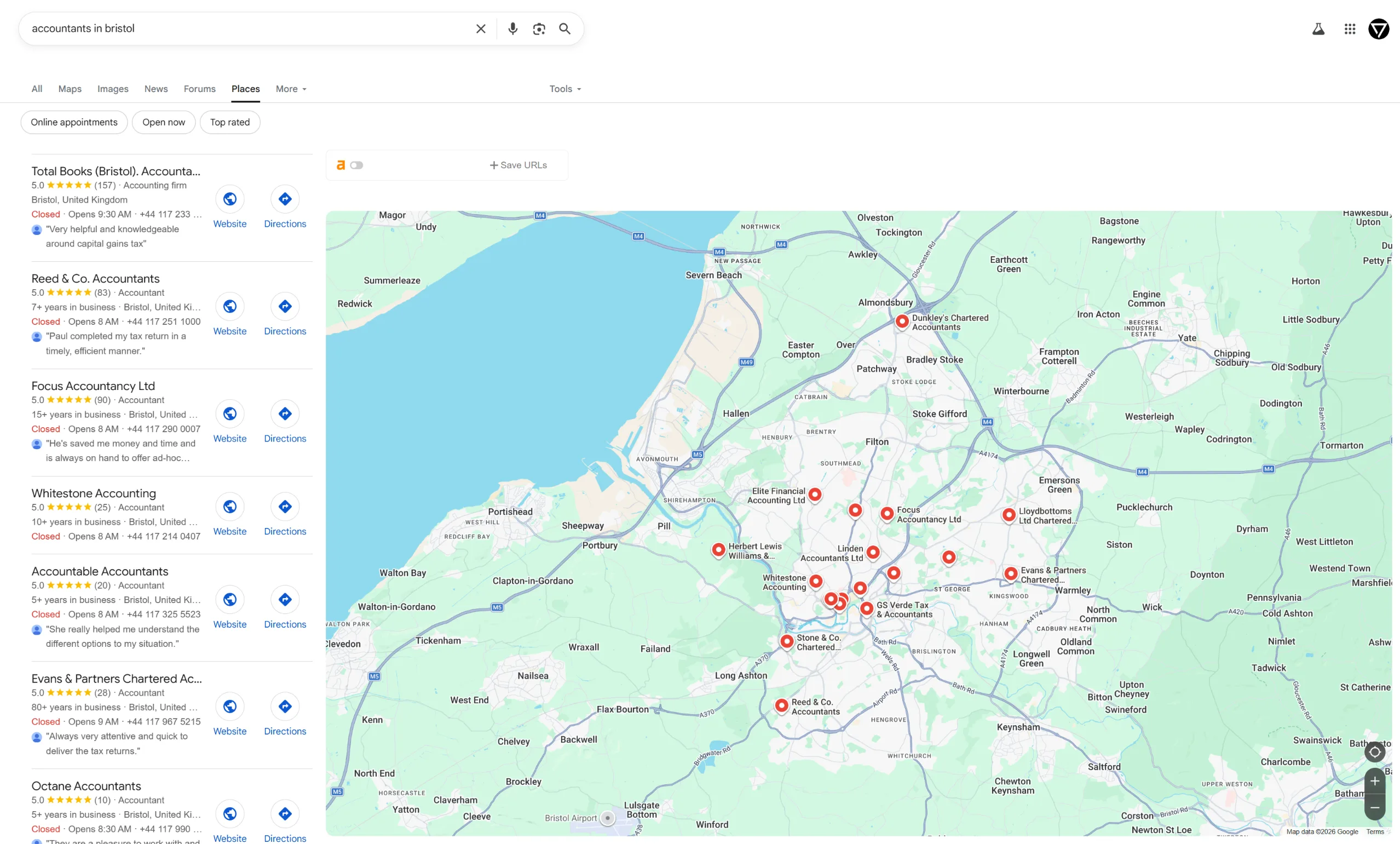
Step 1: Find similar businesses in your area
Start by looking for relevant businesses in your area or niche that offer similar or closely related services and have an active blog.
For example, if you are an accountant, you might look at business advisers, bookkeepers, financial planners, solicitors, or other professional service providers with blogs that target similar clients.
Step 2: Check their blog and look for content gaps
Review their blog properly. Look for topics they have not covered, posts that are outdated, or areas where you could add a stronger angle.
The point is not to force your way in. The point is to find a topic that would genuinely improve their blog while still allowing a relevant link back to your site.
If you are wondering how to build a backlink in a way that feels natural, this is one of the healthiest starting points because the topic, the website, and the link all make sense together.
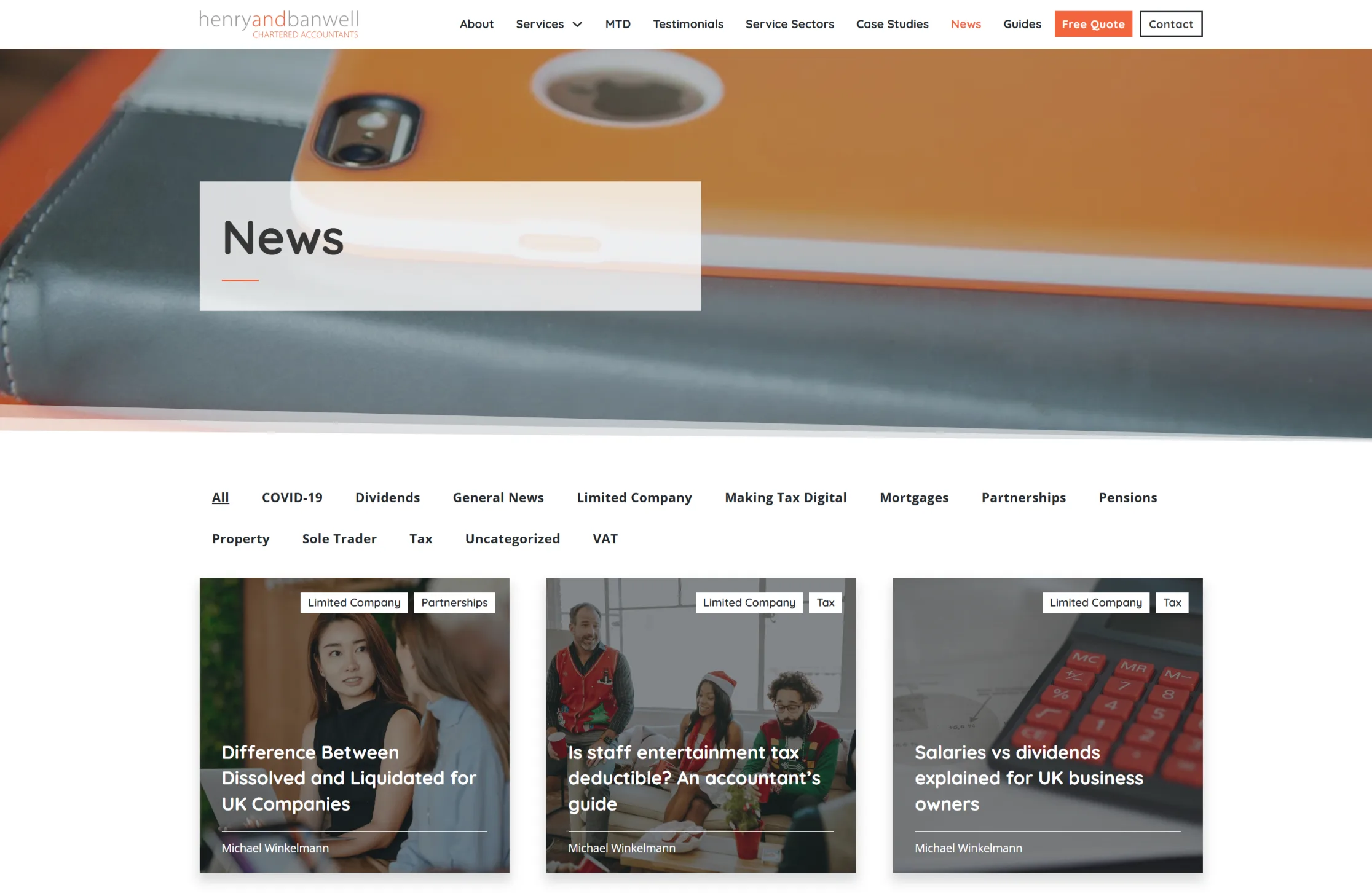
Step 3: Write a bespoke outreach email
Write a short, specific email that shows you have looked at their blog, spotted a suitable gap, and have a realistic topic idea.
Offer something useful, not generic. If a link is included, it should be editorially natural and point to a relevant page. This is a much healthier approach than mass guest post outreach that sends the same message to everyone.
Hi [Name]
I was reading your blog and noticed you’ve covered [related topic], but I could not see a post focused on [specific gap].
I’ve got an idea for a guest post titled “[Proposed title]” that I think would suit your audience. It would cover [point one], [point two], and [point three], and I’d be happy to write it specifically for your site.
If appropriate, I’d also include one relevant dofollow link back to a supporting resource on my website where it fits naturally in the copy.
Please let me know if you’d like me to send over a short outline.
Best regards, [Your name]
What not to do when link building
Not every backlink method is worth using.
Avoid buying backlinks
Buying backlinks might look like a shortcut, but in building backlinks it is one of the riskiest choices you can make. Paid links built purely to manipulate rankings are exactly the sort of pattern search engines try to neutralise.
Even when they do not lead to a direct issue, they often leave you with irrelevant, low-quality links that do very little for the business.
Avoid shortcuts that damage trust
Spammy outreach, irrelevant placements, bulk guest post requests, weak directories, and obvious link schemes can all damage the quality of your backlink profile.
If a tactic feels forced, low quality, or disconnected from your business, it is usually not worth doing.
Measure whether your backlink work is actually helping
Link building is only worth it if it supports real progress.
Look beyond link counts
Do not judge success by raw backlink totals alone. Look at relevance, rankings, referral traffic, the performance of the linked page, and whether the links are helping the pages you care about most.
Give it time
Backlink work usually supports growth gradually, not instantly. Some links help with visibility over time, while others may bring referral traffic straight away.
Focus on business impact
The real question is whether the work supports stronger visibility, better-performing pages, and more qualified traffic or leads.
If it does not support those outcomes, it may not be the right method for your business.
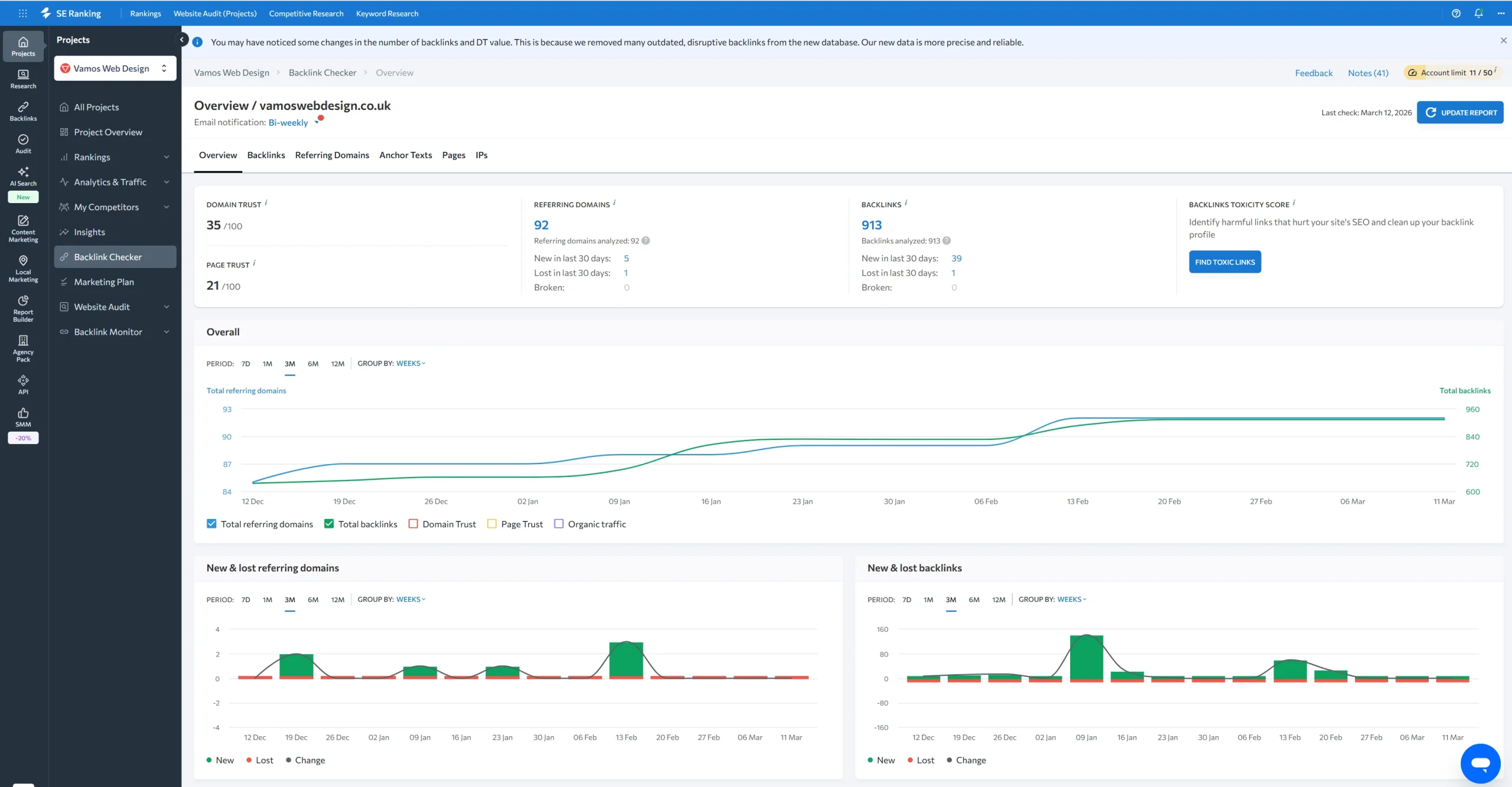
A case study
Here is a realistic example of how I approach link building in practice.
The problem
The client had a decent website and clear services, but visibility was limited. They had very few relevant backlinks, and the pages that mattered most were not getting much external support.
The method
I started by improving the pages worth promoting, then looked for realistic backlink opportunities based on the business.
That included relevant guest posting, relationship-based links, stronger linkable content, and recovering lost opportunities where backlinks already existed but were not being used properly.
The results
Over time, the client’s key pages had stronger support from off-site signals, visibility improved more steadily, and the backlink work felt aligned with the business instead of bolted on as a separate tactic.
Final thoughts
The most effective link building usually comes from practical methods that fit the business, the website, and the audience. It is not about collecting as many links as possible. It is about earning the right ones.
Through my Bristol SEO agency, link building sits alongside stronger pages, useful content and technical improvements, so the links support a wider reason for the site to perform.
If you approach building backlinks by improving your pages first, choosing realistic methods, and keeping relevance at the centre, you are much more likely to build a healthy backlink profile that supports long-term SEO growth.


FAQs
01
What is the safest way to start building backlinks?
Start by improving the pages you want to promote, then look for the most natural opportunities around your business. Broken backlink recovery, partnerships, directories, and relevant guest posts are usually safer starting points than aggressive outreach.
02
Is guest posting still useful for SEO?
Yes, as long as it is selective and relevant. A guest post can still be useful when it appears on a real site, serves the host audience, and includes a natural link to a relevant page.
03
Are directory links worth it for UK businesses?
They can be, if the directory is relevant, trustworthy, and genuinely useful to users. Good local citations and credible industry directories can still support visibility and trust.
04
How long does building backlinks take to make a difference?
It usually takes time. Some backlinks can bring immediate referral traffic, but the wider SEO impact often builds gradually as your profile and supporting pages improve.
05
Can low-quality backlinks hurt my website?
Low-quality backlinks can waste time, muddy your profile, and pull you towards manipulative tactics that are not worth the risk. It is usually better to focus on fewer, more relevant links than chase volume for the sake of it.
Author Bio

Fred Morpeth
Table of Contents