
The Complete SEO Guide for Business Owners

When someone looks for a product, service, or answer online, you have a small window to show that your business is relevant. This SEO Guide is here to make search engine optimisation easier to understand, so you can see what matters, what often gets overlooked, and what can move your website in the right direction.
SEO is not only about rankings. It is about helping the right people find your business, understand what you offer, and trust your website enough to take the next step. If you want expert support with strategy, audits, and ongoing improvement, take a look at our SEO agency services in Bristol.
This guide is written for UK business owners at different stages. You might be launching a new site, trying to improve an existing one, or reviewing why your traffic has stalled. Either way, the aim is the same: to give you a clear foundation without burying you in jargon.
What is SEO?
What SEO means in simple terms
SEO stands for search engine optimisation. If you have ever asked what is SEO, the simple answer is that it is the process of improving your website so search engines can understand it and so real people are more likely to find it when they search.
That improvement can come from better page structure, clearer content, faster performance, stronger internal links, and more useful answers to the questions your audience is asking. Good SEO usually supports the full journey, from visibility in search results to trust on the page itself. In other words, the meaning of SEO in digital marketing is not just about rankings, but about helping your website become more visible, more useful, and more competitive online.
Why SEO matters for businesses
For many business owners, search is one of the few channels that can keep bringing in attention without paying for every click. That is one reason SEO matters, especially when budgets are tighter, and you need steady visibility rather than short bursts.
According to Ofcom’s 2025 Online Nation report, 49.1 million adults in the UK accessed the internet in May 2025 across smartphones, tablets, and computers. If your website is hard to find or hard to understand, you can miss those search opportunities before the conversation even starts.
The difference between paid search and SEO
Paid search, often called PPC (pay-per-click), puts your business in front of people through ads. SEO focuses on improving your organic visibility, which means showing up in unpaid search results because your pages are useful and relevant.
SEO and PPC can work well together. PPC can help when you need faster testing or immediate visibility, while SEO tends to build value over time. If your budget is limited, SEO can often become a stronger long-term asset because the work improves your site itself.

How search engines work
Crawling, indexing, and ranking
If you have ever wondered how search engine optimisation works, it starts with search engines crawling the web, discovering pages through links, sitemaps, and other signals. They then index pages, which means storing and organising information about them, before deciding where they may appear in search results.
Ranking is the stage most business owners think about first, but it only happens after a page can be found and understood. If a page is blocked, orphaned, or too weak to be indexed properly, it has little chance of performing well.
How search engines understand pages
Search engines look at more than keywords on a page. They use headings, surrounding context, internal links, image information, page titles, and the overall structure of the site to work out what each page is about.
That is why messy page layouts can cause confusion. If your service page talks about several topics at once, uses vague headings, or overlaps too heavily with other pages, search engines may struggle to see which page should rank for which search.
Why relevance and quality matter
A page does not rank well just because it exists. It needs to match what someone is searching for and give a useful response once they land on it.
Think about your own habits online. If you click a result and the page feels thin, confusing, or off-topic, you leave. Search engines are trying to send people to pages that answer the query clearly, load properly, and show signs of trust.

Understanding search intent
Informational searches
Informational searches happen when people want to learn something. They might search for explanations, comparisons, checklists, or answers to basic questions before they are ready to buy.
This kind of search is where blog posts, guides, FAQs, and resource pages do their best work. They help you become visible earlier in the customer journey, which can build trust before someone even looks at your services.
Commercial and transactional searches
Commercial searches often happen when someone is comparing options, researching providers, or narrowing down a shortlist. Transactional searches are more direct and usually show a stronger intent to buy, enquire, or book.
This is why service and product pages need a different style from blog content. A service page should still inform, but it also needs to remove doubt, explain what you offer, and make the next step feel simple.
How that information is structured on the page can make a real difference to whether search traffic turns into enquiries. Read our guide to service page design for clearer enquiries for a practical look at layout, trust signals and conversion flow.
Matching content to intent
One of the most common SEO problems is creating the wrong page for the wrong search. A broad blog post will struggle to convert people who are ready to hire, while a sales page may not rank well for educational queries.
The first step is to ask what the user wants at that moment. Are they trying to understand a topic, compare providers, or take action now? Once you know that, it becomes much easier to build the right page type.
Keyword research
What is keyword research?
Keyword research is the process of finding the words and phrases people use when they search for what you offer. It helps you understand demand, language, competition, and the type of pages you may need.
In practice, this is less about chasing huge search volumes and more about understanding how your audience thinks. A smaller, more targeted keyword can often bring in better traffic than a broad phrase that attracts the wrong users. If you want a clear starting point before you dive into research and mapping, read what are keywords in SEO.
How to choose the right keywords
Start by listing your core services, products, and customer questions. Then look for search terms that match those areas closely, rather than forcing your site into a topic that only loosely fits. For a step-by-step method you can follow, read our comprehensive blog about how to conduct keyword research for SEO.
Good keyword choices usually sit at the overlap between relevance, realistic competition, and business value. This part of the SEO Guide matters because the wrong keyword can waste time, even if the page itself is well written.
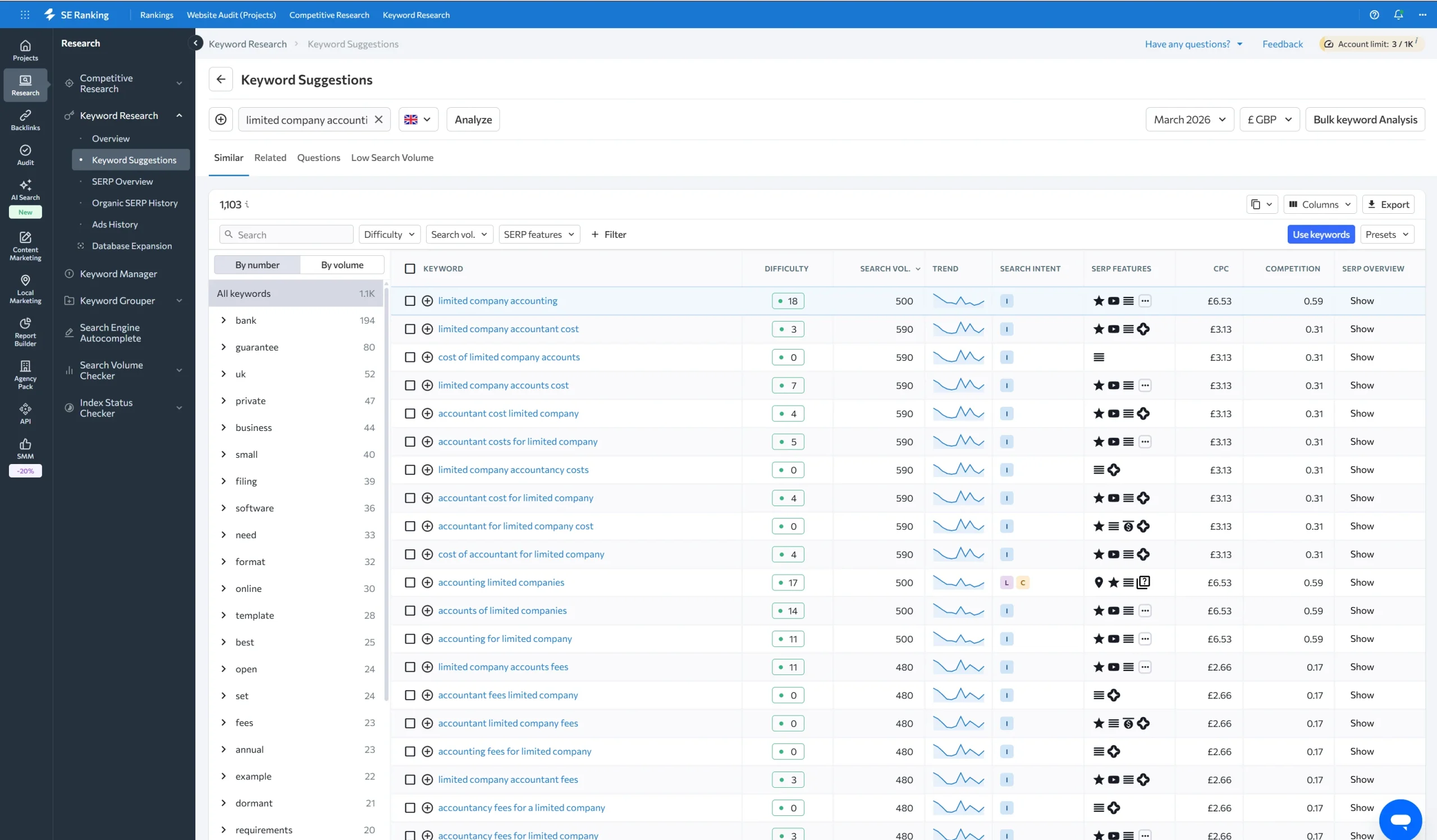
Short tail vs long tail keywords
Short tail keywords are broad and often highly competitive. Long tail keywords are more specific, which usually means lower search volume but clearer intent.
For example, a broad phrase may tell you almost nothing about what the searcher wants. A longer phrase often gives away more intent, which helps you shape the page more accurately. That can lead to stronger engagement and better leads.
Keyword mapping across your website
Keyword mapping means assigning a primary topic or target phrase to the most suitable page on your site. This keeps your structure cleaner and helps reduce overlap between service pages, blogs, and guides.
When mapping is missing, businesses often publish several pages that chase the same search. That can blur relevance, weaken the site structure, and make it harder for search engines to know which page deserves attention. A clear keyword map is one part of a practical guide to SEO because it helps you decide which topics belong on which pages.

SEO audits and strategy
What is an SEO audit?
An SEO audit is a structured review of your website to see what is helping and what is getting in the way. It looks at technical issues, on-page signals, content quality, internal linking, and visibility in search.
A good audit gives you a baseline. Instead of guessing where the problem is, you get a clearer view of what should be fixed first and what can wait.
What an SEO audit should include
A useful audit usually checks crawlability, index status, page speed, metadata, heading structure, image handling, internal links, duplication, and the overall quality of key landing pages. It should also look at whether your pages match the intent behind the searches you want to target.
The exact depth depends on the site, but the goal is the same. You want to identify the biggest bottlenecks before you spend time producing more content or redesigning sections that are not the real problem.
Automated tools can help with this, but they do not always explain context, priority, or what the results actually mean. For a clearer breakdown, read our article on the problem with automated technical SEO audit reports. If you want to see the kind of platforms and software that support this process, take a look at our SEO agency tools guide.

How an audit helps prioritise improvements
Business owners often know something is off but do not know where to begin. An audit helps you sort issues by impact, so you can focus on the fixes that improve visibility, usability, or conversion potential first.
An audit tells you what is happening. The next step is turning those findings into a clear order of work. Our guide to SEO strategy planning for small businesses explains how to prioritise technical fixes, page improvements, content and authority work without trying to tackle everything at once.
Another reason this matters is the budget. Whether you are doing the work yourself or with support, a plan based on evidence is usually more efficient than changing things at random. In some cases, a focused project can be the most practical way to tackle key fixes first, which is why it can help to understand what is an SEO sprint and when that kind of work is the right fit.
Common issues an SEO audit can uncover
Audits regularly uncover missing titles, weak meta descriptions, poor heading use, duplicate pages, slow templates, broken internal links, image bloat, and pages that are indexed when they should not be. They can also reveal gaps in topical coverage or a mismatch between page content and search intent.
On-page SEO
Page titles and meta descriptions
Page titles tell search engines and users what a page is about. Meta descriptions do not directly decide rankings, but they can influence whether someone clicks your result.
Google explains that it may use a page’s meta description in the search snippet when that summary gives users a more accurate picture of the page. That means your description should be clear, relevant, and written for humans first.
Headings and content structure
Headings help organise a page into clear sections. They guide the reader, improve scannability, and give search engines stronger clues about the page topic.
The best approach is simple: one clear H1, logical H2 sections, and H3 subheadings where needed. When your structure is easy to follow, your content usually becomes easier to write and easier to understand.
URL structure
URLs should be short, descriptive, and easy to read. They do not need to repeat every keyword variation, but they should make the page topic obvious at a glance.
A clean URL structure also helps across the wider site. It supports navigation, reinforces page hierarchy, and makes internal linking feel more consistent as your content grows.
Image optimisation
Images can improve a page, but they can also slow it down if they are oversized or badly handled. Optimising images means compressing files, choosing suitable formats, sizing them correctly, and writing helpful alt text where needed.
This improves load speed and makes the page easier to use. It also gives search engines more context, especially when the surrounding content clearly explains what the image supports.
Internal linking
Internal links connect the pages on your website. They help users move through related topics and help search engines understand which pages support one another.
This is especially useful when you build around a hub and cluster model. A broad guide can point people towards more focused posts, while service pages can connect back to supporting content that answers earlier-stage questions.

Technical SEO
Site speed and performance
Site speed affects both user experience and search performance. If a page feels slow, visitors are more likely to leave before they read what you have written or take action.
Start by checking your current pages with tools such as PageSpeed Insights or GTmetrix. You do not need to fix everything at once. In many cases, image compression, better hosting, lighter scripts, and caching can make a visible difference.
Mobile usability
A mobile-friendly site is no longer a nice extra. It is a baseline requirement because so many people browse, compare, and contact businesses from their phones.
That means your text should be readable, buttons should be easy to tap, menus should make sense, and key information should not be buried below clutter. A page can look good on desktop and still feel frustrating on mobile.
Indexing and crawlability
Crawlability is about whether search engines can access your pages. Indexing is about whether they decide to store them and make them eligible to appear in search.
Problems here often come from blocked resources, noindex settings, weak internal linking, duplicate versions of pages, or thin content that does not seem worth indexing. If important pages are not being indexed, no amount of copy tweaks will solve the root issue.
HTTPS and website security
HTTPS means the connection between your site and the user is secure. It helps protect data and gives people more confidence when browsing, filling out forms, or making purchases.
For business owners, security is bigger than the padlock symbol in the browser. It also includes plugin upkeep, secure hosting, strong passwords, backups, and reducing the risk of avoidable technical issues that damage trust.
Structured data and schema
Structured data is extra code that helps search engines understand certain details on a page more clearly. It does not replace strong content, but it can add helpful context around things like organisations, products, services, FAQs, and reviews.
Google says structured data helps it understand the content of a page, which is one reason schema is still a useful part of technical SEO. In this SEO Guide, the main point is simple: better context can support better visibility.
Content and topical authority
Creating useful content
Useful content starts with a real question, need, or problem. It should be clear about what it covers, easy to read, and written for the person searching rather than for a keyword tool.
When content performs well, it usually does a few things at once. It answers the main question, avoids padding, explains terms in plain English, and gives the reader a sensible next step. If you want to plan what content your website should create, refresh or prioritise, read our guide to SEO content strategy for small business websites.
Pillar pages and cluster content
A pillar page is a broad guide built around a central topic. Cluster content is a set of more focused pages or blogs that explore related subtopics in more detail.
This structure helps you cover a subject without cramming everything into one page. It also supports internal linking, improves topic organisation, and gives each page a clearer role across the site.
Keeping content up to date
Publishing is only the start. Content can lose value when services change, screenshots age, links break, or search behaviour shifts.
That is why content reviews matter. Updating a page can be just as useful as writing a new one, especially if the page already has some authority or covers a topic you still want to own.
If you need a structured way to decide which existing pages should be kept, refreshed, merged or removed, read our guide to SEO Content Audit for Existing Website Pages.
Earning trust through expertise and clarity
Topical authority is not just about publishing lots of pages. It comes from explaining a subject well, covering related questions properly, and showing consistency across your site.
For business owners, this means staying within your real area of expertise. A smaller site that explains its niche clearly can often outperform a larger site filled with vague, repetitive pages.

Backlinks and authority
What are backlinks?
Backlinks are links from other websites to your own. In simple terms, they can act like other websites vouching for your business in the eyes of search engines, which can help strengthen trust and authority. If you want a fuller explanation with examples and why they still play a role today, read what are backlinks in SEO and why they still matter.
Why quality matters more than quantity
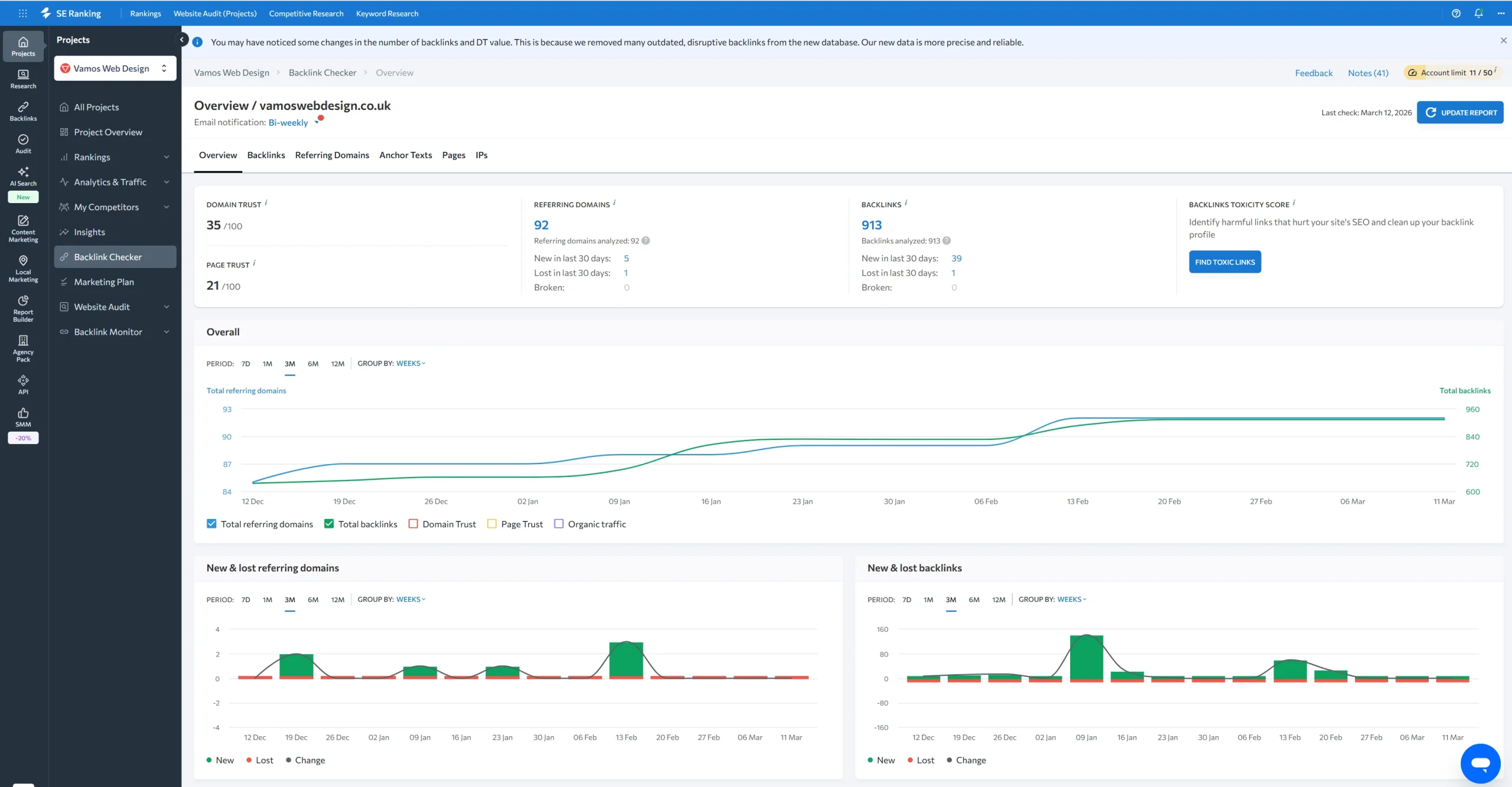
A handful of strong links from credible, relevant sites can be far more useful than hundreds of weak ones. Poor-quality links can add noise without improving trust.
That is why link building should be selective. The aim is not to collect links for the sake of it, but to earn mentions that make sense and support your reputation.
Natural link-building opportunities
Many businesses can earn links through useful resources, original guides, local partnerships, guest posting, industry relationships, digital PR, testimonials, supplier pages, or genuinely helpful thought pieces. For practical options you can start using straight away, read my guide on building backlinks.
The easiest starting point is often content that deserves to be referenced. If you publish something clear, practical, and better structured than what is already out there, you improve the chances of earning links naturally over time.
What to avoid with link building
Avoid shortcuts that focus on volume over relevance. Paid spam links, weak directories, irrelevant placements, and networks built only to manipulate rankings can create more problems than value.
A safer mindset is to ask whether the link would still make sense if SEO did not exist. If the answer is no, it probably is not a strong fit.
SEO in the age of AI search
What AI search means for SEO
AI search changes how people discover information. Instead of only scanning a list of blue links, users may now see summaries on Google AI overviews, Chat GPT, cited sources, follow-up prompts, and more conversational search journeys.
That does not mean traditional SEO has stopped mattering. It means the job now includes making your content easier to interpret, easier to cite, and easier to trust.
How AI search is changing visibility
In some search experiences, users may get part of the answer before they click through. That can reduce some clicks, but it also creates another layer of visibility for well-structured pages that explain topics clearly.
This matters because success is no longer only about rank position. It is also about whether your content is organised well enough to be surfaced, quoted, or summarised.
If you want to understand this shift in more detail, I’ve also written a guide explaining what generative engine optimisation is and how AI search visibility works. It looks at how AI-assisted search systems use clear content, citations, brand signals and SEO foundations when generating answers.
Why clear structure and helpful content matter more than ever
AI-driven search tools rely heavily on clarity. Clean headings, direct answers, descriptive sections, and logical page structure make it easier for systems to extract meaning from your content.
That is one reason fluff tends to underperform. If a page rambles, buries its answer, or mixes too many topics together, it becomes harder for both people and machines to use confidently.
How to improve your chances of being cited or surfaced
Start by answering the main question early, then build out supporting details under clear subheadings. Use plain language, keep related ideas grouped together, and make sure the page reflects genuine expertise.
It also helps to cover a topic with enough depth across your wider site. When your pages support one another and stay consistent, you create stronger signals around relevance and trust.

Different types of SEO
Local SEO
Local SEO focuses on searches with a location element or local intent. That includes phrases linked to towns, cities, service areas, and nearby providers.
If you serve a defined area, local landing pages, your Google Business Profile, local citations, and location signals across the site can all play a part in visibility.
National SEO
National SEO is aimed at reaching a wider audience across the UK rather than focusing on one local area. This is often the right fit when your service is not tied to a specific town or when you work remotely.
The strategy here usually leans more heavily on content depth, stronger topic targeting, broader authority building, and pages that speak to national search demand rather than local modifiers.
eCommerce SEO
eCommerce SEO focuses on category pages, product pages, filters, and the commercial search journeys that lead to purchases. It usually involves stronger attention to site structure, crawl handling, and duplicate content control. For a closer look at structuring and optimising the pages that organise your product ranges, read our guide to SEO for eCommerce Category Pages. Platform choice can also affect how much control you have over URLs, content, performance and technical settings, which I explore in Which eCommerce Platform Is Best for SEO?
The basics still apply, but the scale can become much more complex. Product detail, reviews, structured data, and internal linking often matter more because of the number of pages involved. For a closer look at improving individual listings, read our guide to SEO for Product Pages in an Online Store. For a wider launch and optimisation framework, read our blog about the eCommerce SEO Checklist for Online Stores.
International SEO
International SEO matters when you target multiple countries or languages. The main challenge is helping search engines understand which version of a page is meant for which audience.
For many small businesses, this is not needed straight away. But if your business expands into new markets, the structure of your website needs to reflect that clearly.
Cost of SEO
SEO cost can vary depending on the size of your website, the level of competition in your market, and the type of work needed. Some businesses may only need a one-off audit or a few technical fixes, while others need ongoing support across content, technical SEO, on-page improvements, and authority building.
The key is to look at what is included rather than comparing prices alone. A lower quote may cover very little, while a higher quote may include strategy, implementation, and long-term support. If you want a clearer breakdown of what can affect pricing, take a look at our SEO cost guide.

Measuring SEO performance
Rankings, traffic, and visibility
Rankings can be useful, but they are only one part of the picture. A page moving up a few positions matters more when it drives relevant visits and better engagement. Tools such as SEMrush, Ahrefs, and SE Ranking can help you track these kinds of SEO metrics over time.
Traffic also needs context. More visits can look positive on the surface, but if those users are landing on the wrong pages or leaving without action, the quality of that traffic may be poor. That is why it helps to look at traffic alongside impressions, clicks, rankings, conversions, and user behaviour rather than relying on one number alone.
Leads and conversions
The stronger question is whether SEO helps your business goals. Are the right people finding you? Are they enquiring, buying, booking, or moving further into your pipeline?
That is why conversion tracking matters. SEO should support visibility, but it should also support outcomes that mean something to the business.
Google Search Console and analytics
Search Console helps you see how your site appears in search, which queries bring impressions and clicks, and whether indexing issues are getting in the way. Google Analytics helps you understand what happens after people arrive.
Together, they give you a more complete picture. This part of the SEO Guide is worth revisiting often because good decisions come from patterns, not guesses. In that sense, performance data can act as a guide for SEO decisions, because it shows what is improving, what is stalling, and where you may need to adjust your strategy.
To understand what you should actually track along the way, read our article about SEO Performance Metrics.
How long SEO takes
SEO usually takes time because search visibility builds through many signals working together. Better structure, stronger content, technical improvements, and authority all tend to gather momentum gradually.
Some quick wins can appear earlier, especially when there are obvious issues to fix. But most businesses should think in months rather than days, and judge progress by trend lines rather than overnight jumps. If you want to understand how ongoing monthly support fits into that long-term process, read our blog on SEO retainers.

Common SEO mistakes
Targeting the wrong keywords
A keyword may look attractive because of search volume, but that does not mean it fits your offer. If the search intent is wrong, even good rankings can bring poor traffic.
The better approach is to choose keywords that match your service, audience, and stage in the customer journey. Relevance usually beats vanity.
Thin or duplicated content
Thin content often says very little, repeats obvious points, or exists only to target a phrase without giving a useful answer. Duplicated content can happen when businesses create several pages that say almost the same thing.
Both problems can weaken clarity across the site. They also make it harder for search engines to know which page should represent the topic.
Ignoring technical issues
Good copy alone cannot carry a site that is hard to crawl, slow to load, or frustrating on mobile. Technical issues often sit quietly in the background while holding back stronger pages.
That is why regular reviews matter. Even a small site can build up problems over time, especially after redesigns, plugin changes, or content expansion. If you are planning a rebuild, read our guide to SEO and Website Redesign and How to Protect Your Rankings before making major changes. For the launch and redirect side of the process, use our Website Migration SEO Checklist.
Expecting instant results
SEO is often misunderstood because people expect it to behave like paid ads. They publish one page, make a few tweaks, and expect immediate movement.
In reality, SEO is more like building a stronger foundation. The work can compound, but it usually does so gradually as trust, structure, and relevance improve. To explore these pitfalls in more detail, read our comprehensive blog on mistakes small business owners make when using SEO.
Wrapping Up
SEO is not a quick fix. It is a long-term method that builds through many factors working together, including keyword targeting, page structure, content quality, site speed, internal linking, backlinks, mobile usability, and overall trust. That is why lasting progress rarely comes from one change alone.
For business owners, the real value of SEO comes from steady improvement over time. Some fixes can help early, especially if your site has obvious technical or on-page issues, but stronger results usually come from consistency, clarity, and patience. Search engines need time to crawl, understand, and reassess your pages.
When your website is useful, well structured, and aligned with what people are actually searching for, you create a stronger foundation for long-term visibility. The goal is not to do everything at once, but to keep improving the areas that matter most.
If you want help making sense of the next steps, you can take a look at our SEO company in Bristol for a practical starting point.


FAQs
01
Is SEO worth it for small businesses?
Yes, it often is, especially when search is a realistic route to your audience. SEO can help small businesses compete by improving visibility for specific services, products, and questions people are already searching. For anyone still asking what is SEO in digital marketing, it is best understood as a long-term way to improve how your business is found through organic search.
The key is fit. If your audience uses search to compare options or look for solutions, SEO can become a valuable long-term channel.
02
How much content do I need?
You need enough content to explain what you do clearly, support your key services, and answer the main questions around them. That does not mean publishing endless blog posts.
A smaller number of useful pages is usually better than a large number of weak ones. Focus on coverage, quality, and page purpose first.
03
How long does SEO take to work?
There is no single timeline because results depend on your website, your market, your starting point, and the work being done. Some changes can help quite quickly, while broader progress often takes longer.
What matters most is consistency. Sites that improve structure, content, and technical health steadily tend to create stronger long-term visibility.
04
Can I do SEO myself?
You can handle parts of SEO yourself, especially if you are willing to learn the basics, review your content carefully, and use the right tools to check performance. Many business owners start by improving page structure, metadata, and internal links.
As your site grows, you may want support with strategy, audits, content planning, or technical fixes. If you want help making sense of the next steps, you can take a look at our SEO services for a practical starting point.
05
Do I need SEO if I already use PPC
Yes, because SEO and PPC do different jobs. PPC can help you appear quickly in search results, while SEO helps build long-term organic visibility and strengthens your website over time.
Used together, they can complement each other well. PPC can support short-term campaigns or faster testing, while SEO helps you build a stronger presence that does not rely on paying for every click.
Author Bio

Fred Morpeth
Table of Contents